
Collection of ENEA technology and expertise

Valorization of wheat bran through solid-state fermentation (SSF) with Aspergillus oryzae for the production of high value-added food ingredients
The technology is based on a solid-state fermentation (SSF) process using the filamentous fungus Aspergillus oryzae, a GRAS microorganism widely used in the food sector, applied to wheat bran in order to improve its nutritional and functional properties. The enzymatic process releases bioactive compounds, increases nutrient bioavailability, and reduces antinutritional factors, resulting in an innovative, high value-added, and sustainable food ingredient.
Application sectors
Problem to solve
Wheat bran, although rich in fiber, polyphenols, and micronutrients, is underutilized in human nutrition due to technological and nutritional limitations. These include low nutrient bioavailability, the presence of antinutritional factors (e.g., phytic acid), poor rheological properties, and sensory drawbacks (texture, flavor, color). These aspects hinder its use in food products, confining it mainly to animal feed applications. Therefore, there is a need to develop sustainable processes capable of improving its functional properties and transforming it into a value-added ingredient, in line with the principles of circular economy and the reduction of agro-industrial waste.
Description
The proposed solution is based on the use of solid-state fermentation (SSF), a biotechnological process that involves the growth of microorganisms on solid substrates with a high water activity (aw > 0.95). In this case, wheat bran serves as the substrate for the growth of Aspergillus oryzae. During fermentation, the microorganism produces extracellular enzymes (amylases, proteases, cellulases, phytases) that degrade the lignocellulosic matrix of the bran. This results in: release of previously bound bioactive compounds (e.g., ferulic acid); increase in the soluble fiber fraction and improvement of technological properties; reduction of antinutritional factors, particularly phytic acid; enhancement of antioxidant activity and polyphenol content. The resulting product is a fermented bran with improved nutritional and functional properties, which can be used as an innovative ingredient in various food formulations. The effectiveness of this technology has already been demonstrated in practical applications, such as the production of breadsticks, where improvements in both functional and sensory properties have been observed.
Innovative aspects and advantages
- Environmental sustainability: use of by-products without the need for solvents or high water and energy consumption, in line with circular economy principles.
- Nutritional improvement: increased nutrient bioavailability and release of bioactive compounds, with higher polyphenol content and antioxidant activity.
- Reduction of antinutritional factors: the action of phytases significantly reduces phytic acid, improving mineral absorption
- Technological improvement: enhanced solubility and rheological properties, facilitating its use in bakery products.
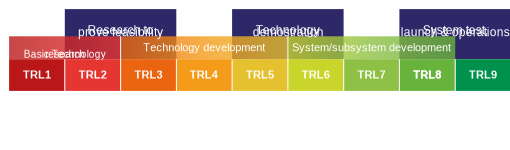
Technological Maturity 4
Strengths
- Cost
- Social/economic relevance
- Legal/regulatory content
Admissible applications
- Development of functional ingredients with high fiber content and bioactive compounds for bakery products and healthy snacks
- Formulation of enriched foods with antioxidant properties and improved nutritional bioavailability
- Upcycling of wheat bran through a biotechnological fermentation process, within a circular economy framework, to reduce agro-industrial waste
- Use of wheat bran as an innovative ingredient in bakery products (bread, breadsticks) to enhance their sensory and functional properties
Research group involved
Patent Available for Licensing
Non disponibile per una licenza
Revision date
19-11-2026
Didn't find what you were looking for or would like more information ?