
Collection of ENEA technology and expertise

Ozone gas Sanitization Unit (O3SU) with low-cost tech where water supply is critical and for wastewater sustainability
UdS is able to sanitize variable quantities of water contaminated with bacteria of fecal origin. It is powered by 12V and for the production of ozone was used a system consisting of three crown cells of 7 g/h, placed in parallel, for a maximum delivery of 21 g/h. The system consists of a sand filter, an 80 l/min compressor, a 0.2 kg/cm2 flowmeter at 15 °C, a dryer and a microbubble diffuser. The atmospheric air, pushed by the compressor, before passing inside the quartz tube of the ozonators, passes through a desiccant air filter with silica gel salts

Application sectors
Problem to solve
Ongoing climate changes, with drought phenomena and sudden thunderstorms, cause a shortage of clean water, usable for everyday activities, such as washing, cooking or even irrigating agricultural fields safely. Sanitized water cannot be considered drinkable, however it can effectively contribute to the elimination of strong bacterial loads of faecal origin; therefore, the creation of a low-cost sanitization unit (UdSO3 Sanitization Unit), now at prototype level, will be able to provide safe water to small rural communities. The use of sanitized water can help to feed lagoons in favor of biodiversity and helps improve wastewater sustainability
Description
Water, before being introduced into the sanitization unit, is filtered with a sand filter and an additional cartridge filter, to contain any coarse impurities that have escaped the first filtration. The sanitizing unit (UdS) is powered by 12 v; for the production of ozone (O3) was used a system, created in collaboration with local businesses, consisting of three crown cells with quartz tube Blue Ocean Environmental ltd. of 7 g/h each, powered at 220 V by means of an inverter. The three cells are placed in parallel, for a maximum delivery of 21 g/h; In addition, the system consists of pipes, a 12 V, 60 W, 80 L/min compressor, a 0.2 kg/cm2 flow meter at 15 °C, a dryer and a microbubble diffuser, consisting of a flat ceramic porous stone with a diameter of 150 mm. The atmospheric air, pushed by the compressor, before passing inside the ozonators quartz tube, passes through a desiccant air filter with silica gel salts, to prevent excess humidity from hindering the production of ozone and that the ozone produced, in the presence of humidity, can react inside the generator with nitrogen oxides, derived from the oxidation of atmospheric nitrogen, with the formation of nitric acid, which can cause damage to the generator itself. Each ozonator is equipped with a cooling fan for the high temperatures that are reached in the system, since in the corona effect generators, during the production of ozone, a variable share of the electricity that poweres them, between 85% and 95%, is transformed into heat. All the equipment described so far has been assembled in two thermoplastic containment boxes and mounted on a transport trolley.
Innovative aspects and advantages
- Excellent prospects in the treatment of urban wastewater for irrigation purposes for agriculture because ozone sanitization is able to improve the general characteristics of the water and increase the biodegradability of the wastewater
- Ozone sanitization of water withfecal contamination is very effective and allows us to avoid, or drastically reduce, the use of chlorine compounds and the formation of toxic organic chlorinated by-products and is capable of oxidizing nitrites
- Sanitization with Ozone has great dosage flexibility and plant simplicity, minimizing management and operational control costs
- Sanitization with ozone does not bring salinity to the water to be treated and avoids corrosive and fermentative phenomena with consequent emissions of bad odors, even in the case of storage of the water in the containers used before distribution
- The sanitization of waste water with ozone increases the possibility of using in nature, for the supply of lagoon basins and to contribute to the improvement of biodiversity in areas of naturalistic value
Technological Maturity 3-4
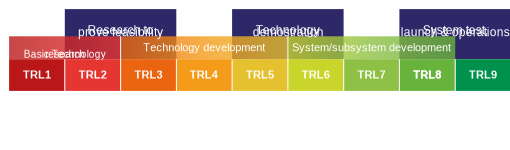
Strengths
- Cost
- Social/economic relevance
- Legal/regulatory content
- Efficiency/productivity/performance
- Innovation
- Lack of technology/solution for the specific task
- Scalability
- Ease of use
- Transferability/mobility
Admissible applications
- Farms: for agriculture, the ozone sanitization of wastewater for irrigation purposes is an important opportunity because it is able to improve the biodegradability of the wastewater, in total safety for workers
- International cooperation: climate change is the cause of extreme droughts and high rainfall, leading to reduced access to clean water. Sanitization is a process that provides clean, even if not drinkable water
- Municipal farms: technology integrates purification processes for agricultural use and reinsertion into nature
- Onlus: climate change is the cause of extreme droughts and high rainfall, leading to reduced access to clean water. Sanitization is a process that provides clean, even if not drinkable water
- Ozone generators manufacturer: the study and production of 12V generators, powered by PV panel systems, offers the opportunity to find other markets and increase production
Research group involved
Patent Available for Licensing
Non disponibile per una licenza
Revision date
26-10-2026
Didn't find what you were looking for or would like more information ?