
Collection of ENEA technology and expertise

Bioconversion and valorization of organic waste and by-products, coming from human activities, through the breeding of larvae of the black soldier fly (Hermetia illucens) and of and mealworms (Tenebrio molitor)
The technology exploits the ability of the larvae of some species of insects to grow on different types of organic waste which is then bioconverted into larval biomass (proteins, fats and chitin) that can be used for feed and green chemistry. The residue remaining at the end of larval growth can be composted and used for plant growth. In addition, the larvae of the soldier fly tend to reject the oil as it is in the substrate, allowing easily its fractionation and recovery.

Soldier fly supply chain and production of high added value bioproducts from residual biomass
Application sectors
Problem to solve
The increasing growth of the world population (10 billion in 2050) implies the increase of the production of residual biomass and the growing of the demand for raw materials for food and feed, for energy and for industry. These needs cannot be met by increasing animal farming or intensive crops which result in consume of land and water, as well as the exploitation of non-renewable resources leads to their depletion, causes habitat destruction, water pollution, has negative effects on biodiversity and often origins geopolitical conflicts and economic instability. Only 40% of the residual biomass is managed in composting plants or to make biogas; the remaining 60% is disposed in landfills with high costs for the producers and environmental damage (methane emission). The bioconversion mediated by insects uses these biomasses and produces high added value raw material for industries and biorefineries
Description
The technology consists of bioconversion of residual biomass and involves the breeding of larvae of black soldier fly and of mealworm on organic substrates with production of proteins and fats. From the breeding is obtained a secondary product, a residue (frass), base for the formulation of fertilizers. The current legislation allows to feed the larvae only with scraps from the agri-food sector. Current production is absorbed by the feed industry for chickens, pigs, fish and pets. The technology can be extended to the use of residual biomass which, although not yet permitted by the legislation. Some of these 'non-conventional' substrates such as sewage sludge, slaughter waste and sansa have been tested in ENEA as feeding substrates for black soldier fly. All these materials were attractive. Palatability and yield in larval biomass were improved by mixing these substrates with another residual biomass. In Enea, a methodology has also been patented that allows to obtain from waste of the confectionery industry, in particular from biscuits containing high oleic oil, three products of high value: 1) high oleic oil present in the initial substrate (about 50-80% of the oil in the recipe) which is fractionated in 48-72 hours from the inoculum of the substrate (biscuits and water) 2) a larval biomass containing lipids, proteins and chitin and 3) a residue, partly digested, therefore still rich in carbohydrates and proteins. These processes give bio-products that can be transformed by biorefineries into biomolecules for cosmetic and pharmaceutical applications or to produce bioplastics and biolubricants.
Innovative aspects and advantages
- Avoiding the disposal of residual biomass in landfills
- Encourage the emergence of new industrial supply chains and synergies between industries
- Meet the demand for raw materials from biorefineries and green chemistry industries
- Recovery and bioconversion of organic waste and their valorisation into high added value products (proteins, fats and chitin) with a sustainable and eco-friendly technology
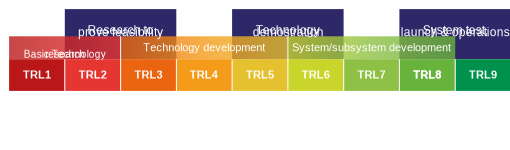
Technological Maturity 4-5
Strengths
- Cost
- Social/economic relevance
- Legal/regulatory content
Admissible applications
- Demonstrate the palatability of residual biomass as feeding substrate for black soldier fly larvae other than those permitted by the legislation (EU Regg. 1069/2009, 893/2017, 1017/2017, 2021/1372) (slaughter waste, sewage, digestate)
- Evaluate the possibility to produce biochar by pyrolysis of the frass from the fly-soldier and the mealworm breeding and evaluate its qualities as a fertilizer for plant growth
- Reuse confectionery waste with production of high oleic oil for bioplastics, cosmetics, polyols, polyurethanes, biolubricants, biopesticides
- Reuse confectionery waste with production of insect proteins and fats for feeding
Research group involved
Patent Available for Licensing
Disponibile per una licenza esclusiva
Revision date
23-11-2026
Didn't find what you were looking for or would like more information ?